RCN Mission Hospital Logo
Latest Updates & Stories

Mission Stories

Discover inspiring stories, mission updates, and reflections from our work transforming lives through healthcare and compassion.

23
Stories Published
0
This Month
2
Team Members

All Stories

Browse through all our mission updates and stories

BEING FRIENDS WITH JESUS’ BRETHREN
Apr 30, 2026 By Superadmin

BEING FRIENDS WITH JESUS’ BRETHREN

Christian faith carries a profound truth: our relationship with Jesus is inseparable from how we treat those He identifies with. In Matthew 25:33–41, Christ reveals that caring for “the least of these” is, in reality, caring for Him. This is divine identification-He says, “I was hungry… thirsty… a stranger… sick… in prison,” showing that He is personally present in human need. Jesus’ circle defies human expectations. It is not built on status or comfort but includes the vulnerable, forgotten, and rejected. True devotion, therefore, is not measured by titles or religious activity but by simple acts of compassion: feeding, welcoming, clothing, and visiting. Both the righteous and the condemned failed to recognise that Jesus was hidden in plain sight. To befriend Jesus’ brothers and sisters is to live intentionally drawing near to pain, restoring dignity, and taking responsibility for others. This goes beyond charity into genuine relationship. Yet there is danger in a faith that worships deeply but ignores suffering. Such selective Christianity misses the heart of Christ. Ultimately, the reward is relational entering the joy of the King by aligning with what He loves: people. The call is clear: go where He goes, love whom He loves, and recognise Him among the least-for there, the King is waiting.
THE CALLING OF THE MEDICAL MISSIONARY AS A SOLDIER OF CHRIST
Apr 29, 2026 By Superadmin

THE CALLING OF THE MEDICAL MISSIONARY AS A SOLDIER OF CHRIST

To serve in medical missions is to answer a divine enlistment, not merely practise medicine. As 2 Timothy 2:3 declares, believers are called to endure as good soldiers of Christ. The medical missionary stands where compassion meets conflict-treating disease while advancing God’s Kingdom. This calling demands total surrender, moving from profession to commission, where personal ambition yields to divine purpose (2 Timothy 2:4). The mission field is a true battlefield, marked by poverty, illness, and brokenness, yet it is where Christ heals the wounded (Luke 4:18). Each patient encounter carries both clinical and spiritual significance. To stand effectively, the missionary must be armed with truth, righteousness, faith, and the Word of God (Ephesians 6:11), combining spiritual depth with clinical competence. Endurance is essential, as fatigue and limitations persist, yet Scripture urges perseverance (Galatians 6:9). Healing itself becomes ministry, reflecting Christ’s pattern of preaching and restoring lives (Luke 9:6). Ultimately, the reward is eternal, not earthly recognition (2 Timothy 4:8). Thus, medical mission is consecrated warfare-where medicine becomes ministry, and the true victory lies in lives healed, souls reached, and the Kingdom revealed.

DISTINCTIVES OF TRUE MEDICAL MISSIONS: ALIGNING COMPASSION WITH GLOBAL HEALTH EXCELLENCE
Apr 29, 2026 By Superadmin

DISTINCTIVES OF TRUE MEDICAL MISSIONS: ALIGNING COMPASSION WITH GLOBAL HEALTH EXCELLENCE

True Medical Missions represent a shift from episodic charity to structured, accountable, and globally aligned healthcare delivery. Rooted in compassion but driven by systems thinking, they integrate clinical excellence with sustainable impact. Compassion is not merely emotional it is organised into protocols and ethical frameworks consistent with the World Health Organization, ensuring care is safe, equitable, and dignified. These missions uphold evidence-based practice through adherence to treatment guidelines, infection control, and continuous professional development. Unlike short-term outreaches, they prioritise continuity of care via referral systems, follow-up, and integration with local health services. Community partnership is central, with participatory approaches that empower local stakeholders and ensure culturally appropriate interventions. Prevention is a strategic priority, addressing upstream determinants through health education, screening, immunisation advocacy, and WASH initiatives. Care is delivered holistically using a biopsychosocial model that attends to physical, mental, social, and spiritual needs. Strong accountability, transparent systems, and data-driven monitoring ensure measurable impact. Importantly, True Medical Missions invest in capacity building and health system strengthening, avoiding dependency while promoting sustainability and scalability. Ultimately, they redefine humanitarian care; moving beyond visibility to lasting transformation, where success is measured not by numbers reached, but by lives restored and systems strengthened.

BEYOND SURVIVAL: A CALL FOR COMPREHENSIVE REHABILITATION OF INTERNALLY DISPLACED CHILDREN IN NIGERIA: THE RCN MEDICAL MISSIONS MODEL
Apr 29, 2026 By Superadmin

BEYOND SURVIVAL: A CALL FOR COMPREHENSIVE REHABILITATION OF INTERNALLY DISPLACED CHILDREN IN NIGERIA: THE RCN MEDICAL MISSIONS MODEL

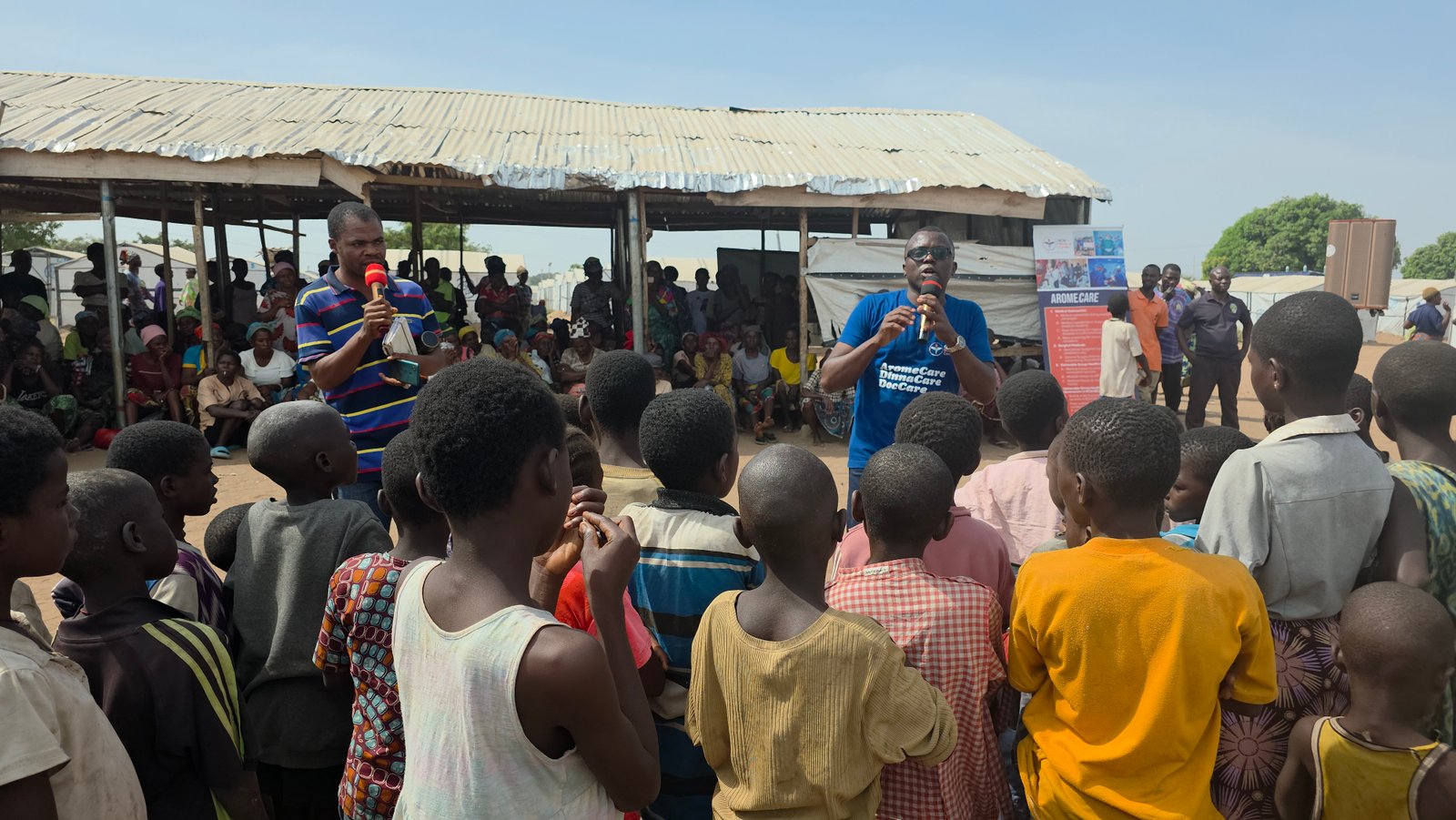
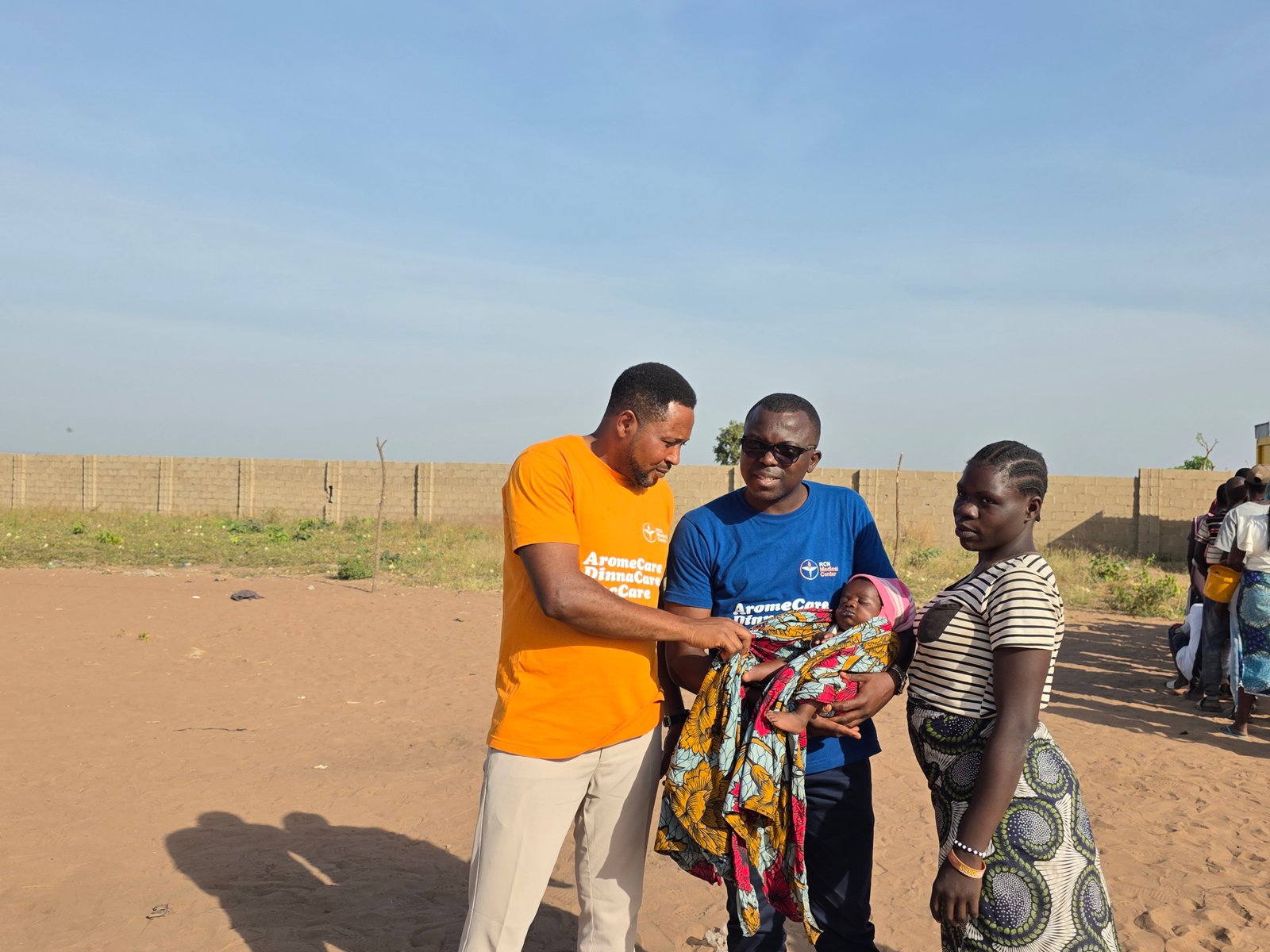
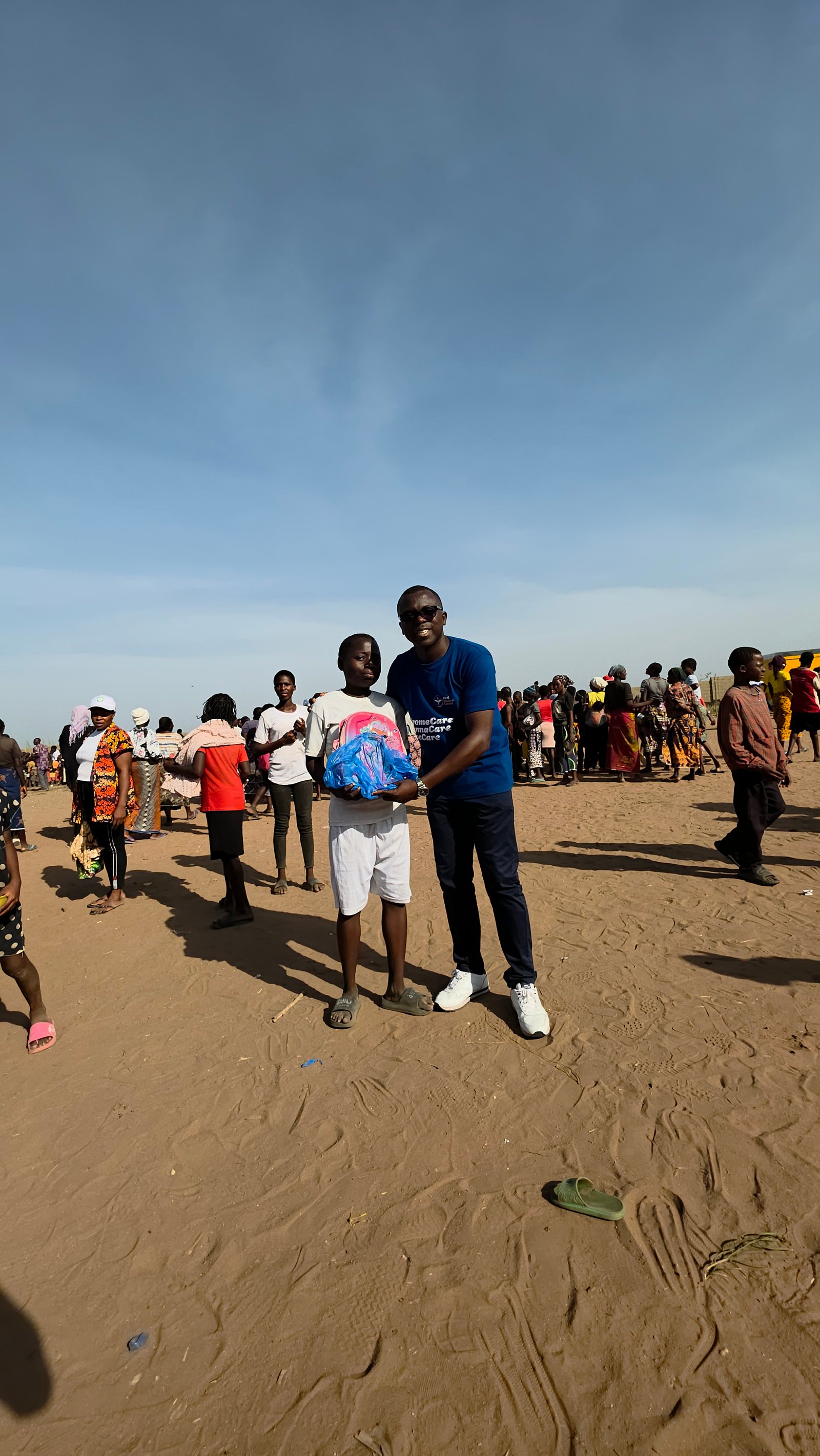
Across conflict-affected regions of Nigeria, especially Benue State, thousands of children in IDP camps remain alive but not restored. Displacement deprives them of education, stability, identity, and psychological security. While humanitarian efforts provide essential relief, they are often fragmented and insufficient for long-term recovery. These children face compounded vulnerabilities including trauma, malnutrition, disrupted development, and loss of social protection, increasing risks of lifelong marginalisation. Current responses frequently lack continuity and fail to integrate health, education, and psychosocial care, leaving children unprepared for reintegration. RCN Medical Missions addresses this gap through its integrated AromeCare, DinnaCare, and DOCcare frameworks, delivering healthcare, nutrition, and preventive services in IDP settings. Building on this, it proposes the Comprehensive Child Rehabilitation & Restoration Centre (CRRC), a structured system designed to restore the whole child. The CRRC integrates healthcare, education, psychosocial support, spiritual development, and skills training within a coordinated environment. This model shifts focus from relief to resilience, ensuring continuous, developmentally appropriate care. Investing in such rehabilitation improves health outcomes, strengthens reintegration, and builds national capacity. Ultimately, displaced children need more than survival. They need restoration-structured, sustained, and transformative.

MALARIA PREVENTION AND MANAGEMENT IN NEWBORNS: WHO GUIDELINES AND GLOBAL HEALTH IMPLICATIONS
Apr 29, 2026 By Superadmin

MALARIA PREVENTION AND MANAGEMENT IN NEWBORNS: WHO GUIDELINES AND GLOBAL HEALTH IMPLICATIONS

Malaria remains a major global health challenge, particularly in sub-Saharan Africa, where the World Health Organization identifies pregnant women and young children as high-risk groups. Although newborns benefit from maternal antibodies and foetal haemoglobin, they are still vulnerable to neonatal malaria, which may be congenital (via placental transmission) or acquired after birth. The condition is often underdiagnosed due to nonspecific symptoms such as fever, poor feeding, and jaundice. WHO does not provide a specific neonatal antimalarial programme but emphasises integrated preventive strategies targeting mothers and communities. These include intermittent preventive treatment in pregnancy (IPTp), use of insecticide-treated nets, prompt diagnosis and treatment of malaria in pregnancy, and vector control measures. Together, these reduce maternal infection and neonatal exposure. Treatment of neonatal malaria relies on cautious use of parenteral antimalarials, supportive care, and careful dosing due to limited pharmacological data. Management is complicated by diagnostic challenges, limited research, and health system constraints. Globally, WHO strategies prioritise prevention, surveillance, and system strengthening. Ultimately, protecting newborns depends on effective maternal care and reduced transmission. Thus, the most effective “newborn antimalarial” is not a drug, but a strong, integrated health system.

ANGELS OF MERCY:WHEN COMPASSION BECOMES INFRASTRUCTURE
Feb 13, 2026 By Superadmin

ANGELS OF MERCY:WHEN COMPASSION BECOMES INFRASTRUCTURE

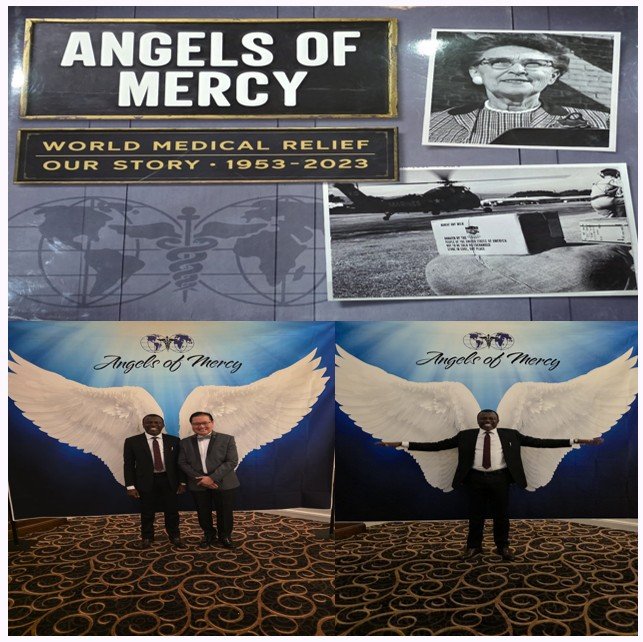
In 1953, when World Medical Relief began, the world was still healing from war. Supplies were scarce, hospitals fragile, and entire communities stood between illness and survival. Into that gap stepped ordinary people with extraordinary conviction: no life should be denied care because of geography or poverty. Mercy moved-not on wings, but in containers filled with sutures, gloves, medicines, and hope. From warehouse shelves to rural wards, compassion became structure. True Medical Mission still matters because medicine may advance, but access does not advance equally. Angels of Mercy remain intentional people who transform generosity into organised, life-saving responsibility.

WORLD MEDICAL RELIEF AND RCN MEDICAL CENTER A STRATEGIC INTERNATIONAL PARTNERSHIP FOR GLOBAL HEALTH JUSTICE
Feb 13, 2026 By Superadmin

WORLD MEDICAL RELIEF AND RCN MEDICAL CENTER A STRATEGIC INTERNATIONAL PARTNERSHIP FOR GLOBAL HEALTH JUSTICE

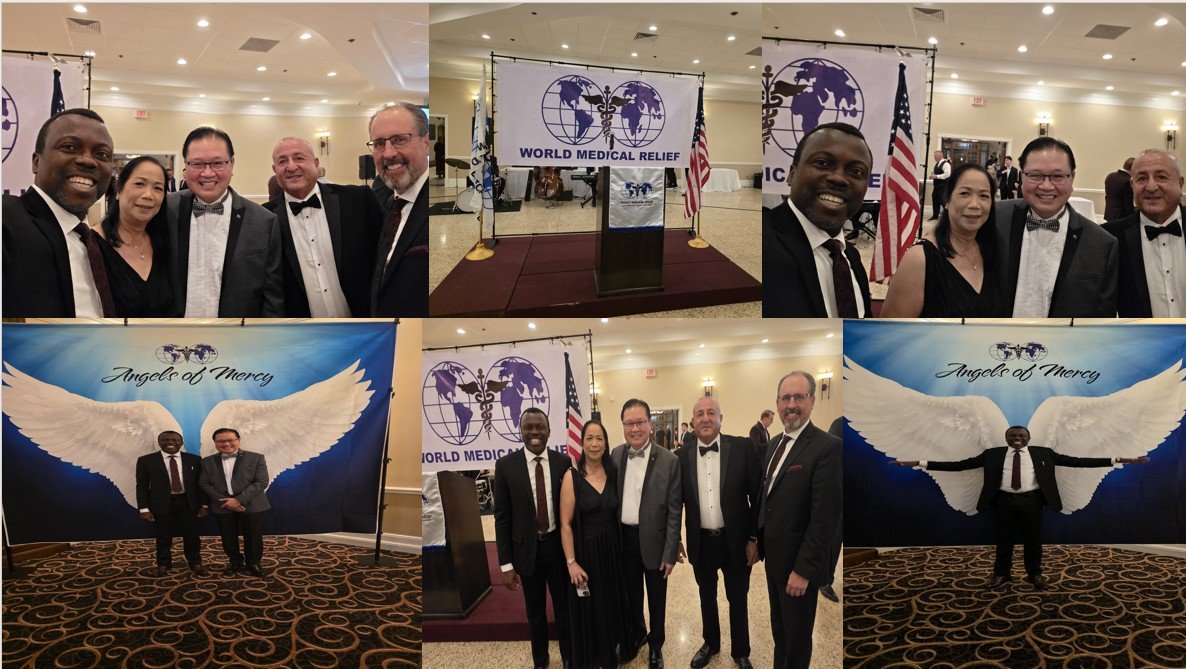
The partnership between World Medical Relief and RCN Medical Centre is built on conviction, not convenience. From warehouse to ward, medical supplies become instruments of safer motherhood under Aromecare, sustained chronic care through DinnaCare, and rapid response via DOCcare. This collaboration bridges excess and need, transforming logistics into a moral corridor of equity. It reflects structured solidarity-resource sharing without dependency, faith-inspired service without coercion, and accountability without spectacle. More than aid, it is global responsibility in action. We sincerely appreciate WMR, led by Dr. George Samson, for advancing health equity with integrity and trust.

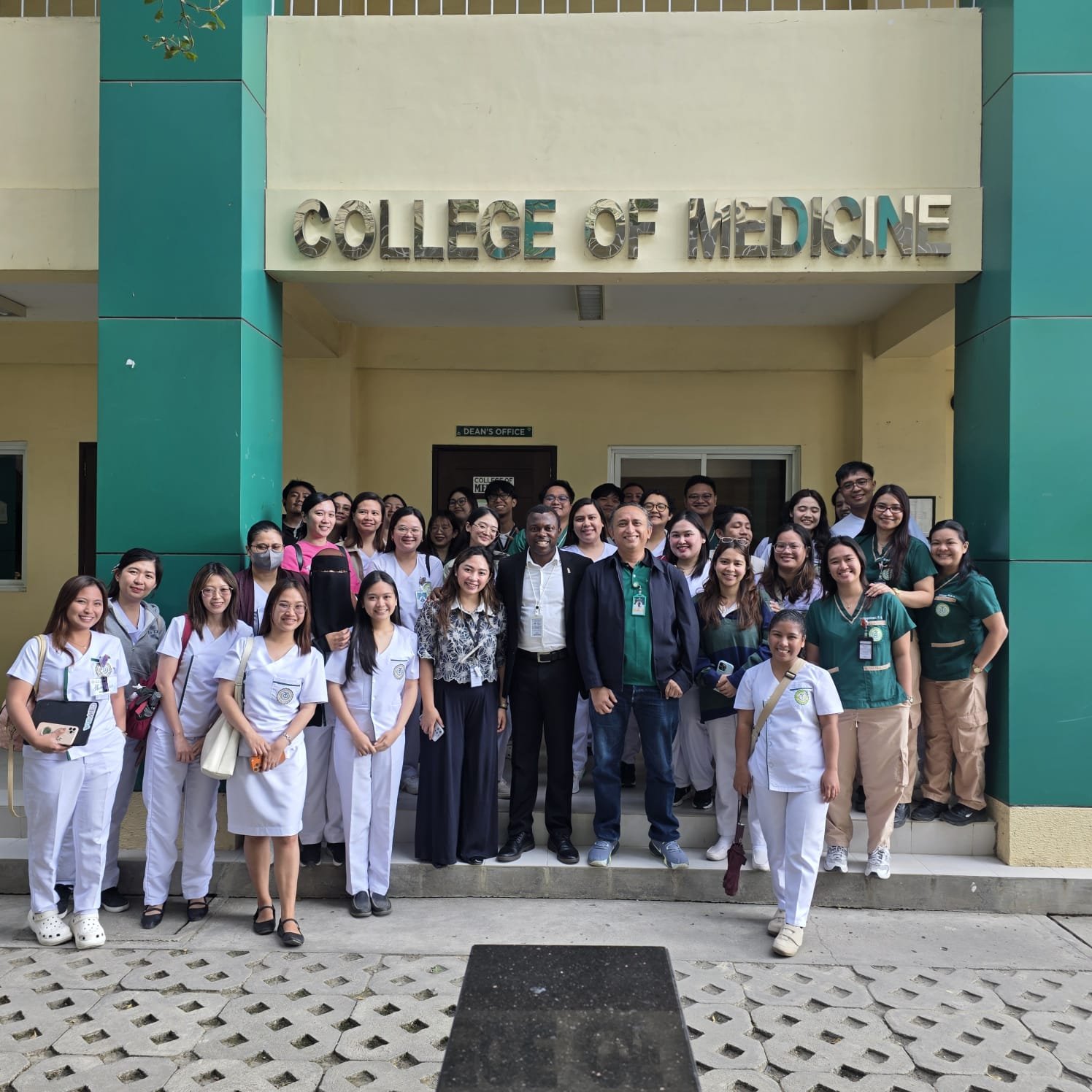
WESLEYAN UNIVERSITY-PHILIPPINES RURAL MEDICAL MISSIONS AS PEDAGOGY: LESSONS FOR RCN MEDICAL MISSIONS
Feb 13, 2026 By Superadmin

WESLEYAN UNIVERSITY-PHILIPPINES RURAL MEDICAL MISSIONS AS PEDAGOGY: LESSONS FOR RCN MEDICAL MISSIONS

Wesleyan University-Philippines demonstrates that rural medical missions can move beyond outreach to become systems of formation. For Remnant Christian Network (RCN), this means shifting from event-driven activities to structured, continuous programmes across AromeCare, DinnaCare, and DOCCare. Leadership must institutionalise mission cycles, monitor outcomes, and prioritise accountability. Clinical teams should maintain excellence even in resource-limited settings, strengthening triage, referral pathways, and ethical standards. Interdisciplinary collaboration must replace isolated practice. Volunteers should reflect dignity, confidentiality, and Christ-like character in every interaction. Above all, sustainability through follow-up care ensures impact. True Medical Mission is not an event-it is a deliberately built culture.

Inspired by Our Stories?

Join our mission and be part of the next chapter in transforming lives through healthcare.