Introduction
Across conflict-affected regions of Nigeria, particularly in Benue State, thousands of children reside in internally displaced persons (IDP) camps, alive, but not yet restored. Displacement strips children not only of shelter but of identity, stability, education, and psychological security. While humanitarian responses have commendably focused on immediate relief-food, shelter, and emergency healthcare: these interventions are insufficient for long-term recovery. What is urgently required is a structured, multi-dimensional rehabilitation framework that moves beyond survival to restoration.
The Hidden Burden of Displacement in Children
Children in IDP settings represent one of the most vulnerable populations in humanitarian crises. Many have witnessed violence, lost parents, or endured prolonged instability during critical developmental stages. The consequences are profound:
- Interrupted or absent education
- Chronic malnutrition and poor health outcomes
- Psychological trauma, anxiety, and behavioural disturbances
- Loss of social structure, identity, and protection systems
These layered vulnerabilities significantly increase the risk of long-term marginalisation, exploitation, and intergenerational poverty.
Importantly, the damage is not merely physical-it is developmental, emotional, and existential.
Limitations of Current Humanitarian Responses
Most interventions in IDP camps remain episodic and fragmented, focusing on immediate needs without addressing long-term developmental trajectories. While essential, such approaches often:
- Lack continuity of care
- Fail to integrate education, mental health, and social reintegration
- Do not provide structured environments necessary for child development
This creates a dangerous gap: children survive crisis conditions but remain unprepared for reintegration into society.
RCN Medical Missions: From Relief to Restoration
RCN Medical Missions has pioneered a community-embedded, integrated healthcare and humanitarian model, operationalised through its AromeCare, DinnaCare, and DOCcare frameworks.
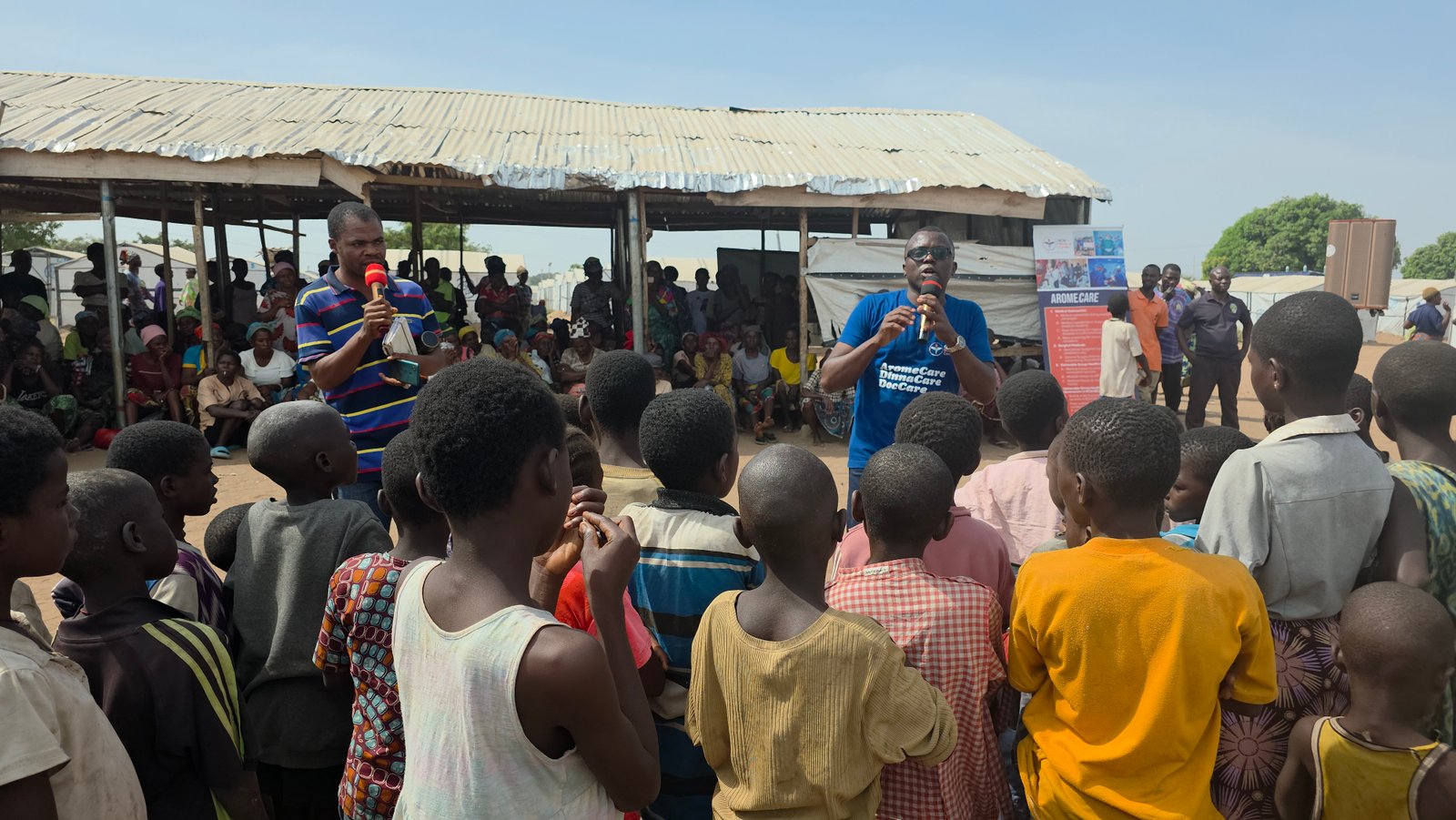
Within IDP camps in Makurdi, the organisation already delivers:
- Antenatal and child healthcare services
- Nutrition and deworming programmes
- Health education and preventive care
- Clinical services including diagnostics and referrals
However, recognising that healthcare alone is insufficient, RCN Medical Missions is advancing, in a multi-pronged approach, a transformative vision: the Comprehensive Child Rehabilitation & Restoration Centre (CRRC), while trusting that God Almighty will send labourers into the field to help them execute this onerous but rewarding task.
The Case for Comprehensive Rehabilitation
True rehabilitation must address the whole child-body, mind, and spirit. The CRRC model is built on five integrated pillars:
1. Healthcare Continuity
Access to preventive, curative, and referral services ensures that children are not only treated but continuously monitored and supported.
2. Education Restoration
Structured formal and informal education pathways are essential to reintegrate children into academic progression and restore cognitive development.
3. Psychosocial Healing
Trauma-informed counselling addresses the invisible wounds of displacement, fostering emotional resilience and mental well-being.
4. Spiritual and Moral Formation
Values-based guidance provides identity, purpose, and ethical grounding-critical for long-term transformation.
5. Skills and Livelihood Development
Vocational exposure equips older children with practical competencies for self-reliance and societal contribution.
This integrated model represents a shift from charity to capacity-building, from relief to resilience.
A Systems Approach to Child Restoration
The proposed CRRC is not merely a facility-it is a system of care. Designed to accommodate approximately 200 children, it integrates:
- Residential care and welfare systems
- Classrooms, laboratories, and learning centres
- A functional clinic linked to RCN Medical Center
- Psychosocial counselling units
- Recreational and social development spaces
- Sustainable infrastructure including solar power and water systems
This model ensures that care is continuous, coordinated, and developmentally appropriate.
Why This Matters: Public Health and National Development
Failure to rehabilitate displaced children has far-reaching implications:
- Increased burden of mental health disorders
- Reduced educational attainment and workforce capacity
- Higher risks of crime, radicalisation, and social instability
- Entrenchment of poverty cycles
Conversely, investing in structured rehabilitation yields:
- Improved health and developmental outcomes
- Stronger community reintegration
- Enhanced human capital for national development
This is not only a humanitarian imperative-it is a strategic investment in the future.
Scaling Impact Through Partnership
The CRRC is designed as a replicable and scalable model for humanitarian settings across Nigeria and beyond. Its sustainability framework includes:
- Integration with existing healthcare systems
- Community ownership and participation
- Capacity building of local personnel
- Strategic donor and institutional partnerships
Such an approach ensures that impact extends beyond the immediate beneficiaries to entire communities.
Conclusion: From Displacement to Destiny
Every displaced child carries within them a future that has been interrupted—but not erased. The question before us is not whether they can survive, but whether they can be restored.
RCN Medical Missions proposes a bold but necessary shift:
from fragmented aid to structured restoration, from temporary relief to enduring transformation.
Because in the end, humanitarian work must answer a deeper call:
Not just to keep children alive…
But to help them become whole again.
Call to Action: Stakeholders, partners, and global health actors are invited to engage in this transformative vision. Supporting comprehensive child rehabilitation is not an act of charity: it is an act of justice, dignity, and nation-building.
Because every displaced child deserves more than survival….They deserve restoration!