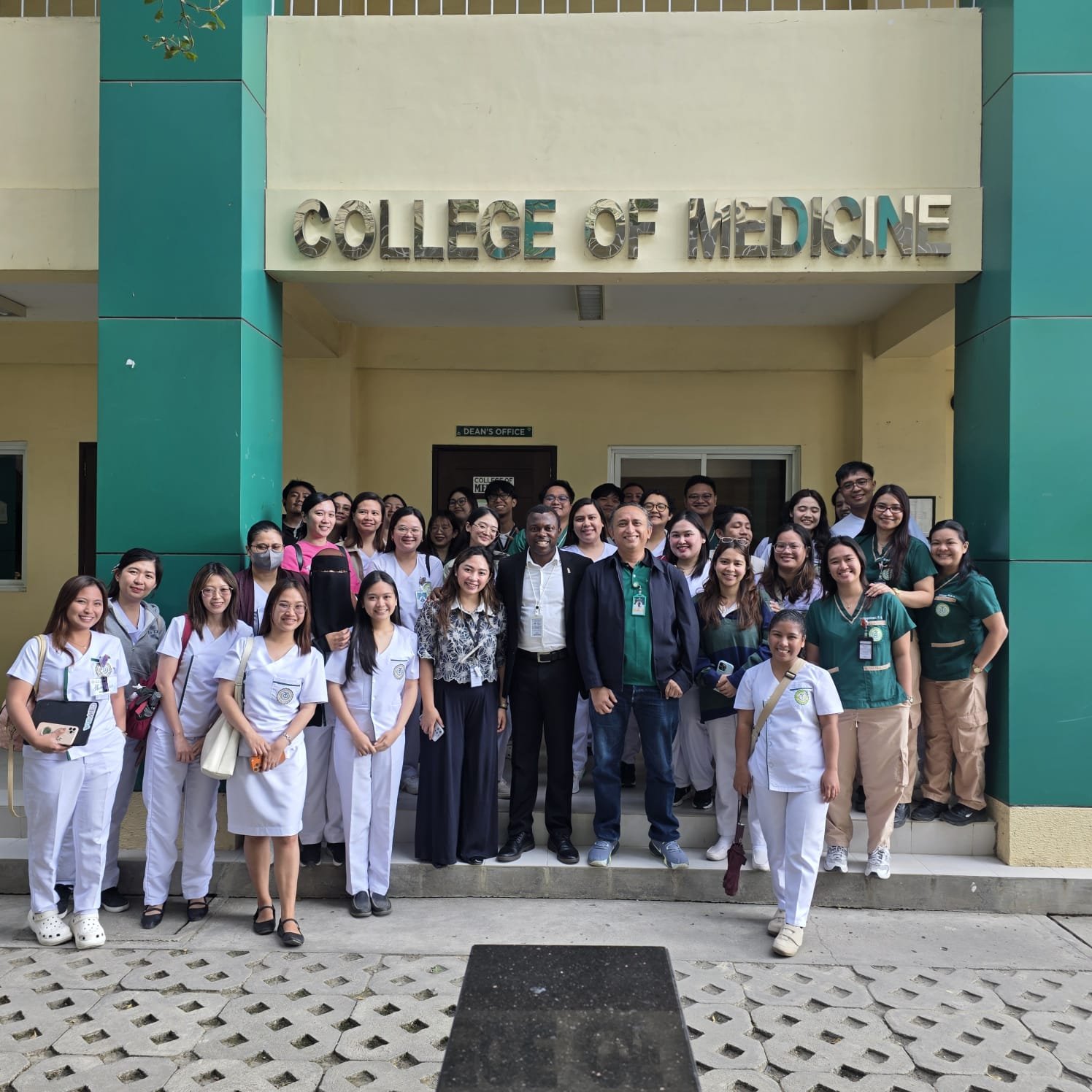
Wesleyan University-Philippines demonstrates that rural medical missions can function not merely as outreach events, but as formation systems. Their consistency, interprofessional engagement, and integration into institutional culture offer powerful lessons for RCN Medical Missions, particularly across AromeCare, DinnaCare, and DOCCare.
Below are distilled lessons for RCN, from leadership to the least staff/volunteer.
A. Leadership Level: Build Structure Beyond Emotion
Lesson: Mission must be institutional, not occasional.
For RCN leadership:
- Move from event-driven missions to programmatic continuity.
- Establish clear monthly or quarterly outreach cycles under AromeCare (maternal & child health), DinnaCare (chronic disease and follow-up care), and DOCCare (compassion-based acute and emergency outreach).
- Develop monitoring and evaluation frameworks.
- Document outcomes: antenatal retention, BP control rates, medication adherence, referral completion.
Key Insight: Compassion must be organised.
Structure sustains what emotion starts.
B. Clinical Teams: Competence in Constraint
Wesleyan students learn to function effectively in resource-limited settings.
For RCN clinicians:
- Standardise protocols adaptable to rural or crisis contexts.
- Train teams in triage under limited diagnostics.
- Strengthen referral pathways to secondary/tertiary care.
- Embed ethical decision-making in every outreach.
AromeCare can deepen structured antenatal risk stratification.
DinnaCare can formalise hypertension and diabetes registries.
DOCCare can strengthen emergency preparedness and rapid-response systems.
Lesson: Resource limitation must sharpen clinical wisdom — not reduce standards.
C. Interdisciplinary Synergy: No Lone Rangers
Wesleyan missions are collaborative across disciplines.
For RCN:
- Integrate doctors, nurses, pharmacists, lab scientists, counsellors, social workers, and spiritual care teams intentionally.
- Conduct pre-mission briefings and post-mission debriefs.
- Clarify roles using structured responsibility matrices.
True Medical Mission thrives where ego dissolves into team function.
D. Volunteers & Support Staff: Formation of Heart and Mind
The least visible staff often shape the greatest impact.
For RCN volunteers:
- Train ushers, record keepers, logistics staff, and prayer teams in dignity-centered engagement.
- Emphasise confidentiality, non-discrimination, and cultural sensitivity.
- Teach that every interaction-even queue management-reflects Christ-like character.
Mission is not only what happens at the consultation table.
It is how people are greeted, documented, followed up, and remembered.
E. Sustainability: Follow-Up as Theology in Action
Wesleyan’s repeated engagements create continuity.
RCN must ensure:
- Post-outreach follow-up calls.
- Medication refill coordination.
- Longitudinal tracking of high-risk pregnancies (AromeCare).
- Chronic disease monitoring systems (DinnaCare).
- Reintegration support for vulnerable populations (DOCCare).
Lesson: Follow-up is compassion extended over time.
F. Spiritual Depth Without Exploitation
Both institutions operate within Christian heritage.
RCN must:
- Offer prayer respectfully, never coercively.
- Distinguish service from publicity.
- Protect patient dignity above visibility.
When integrity meets accountability, trust multiplies.
G. Final Reflection
Wesleyan University-Philippines shows that medical mission can be:
- Educational
- Structural
- Interdisciplinary
- Sustainable
- Globally relevant
For RCN Medical Missions, the call is clear:
From the Medical Director to the cleaner.
From the consultant to the volunteer.
From Aromecare to DinnaCare to DOCCare.
Let mission be consistent.
Let compassion be competent.
Let service be structured.
Let integrity be visible.
Because True Medical Mission is not an event. It is a culture.
And culture is built- intentionally.
~Dr Chukwudi Okebaram