
What began as another day in the difficult life of a displaced family suddenly became a race against time.
Last week, a woman from an internally displaced persons (IDP) community arrived in a life-threatening condition. She and her husband were both displaced persons—already carrying the burdens of insecurity, disrupted livelihood and vulnerability. Now they faced an even greater crisis.
She had suffered a ruptured ectopic pregnancy, a potentially fatal obstetric emergency in which internal bleeding can rapidly progress to haemorrhagic shock and death without urgent surgical intervention.
Her life was at the precipice.
There was no time for delay. No time for prolonged discussions about cost. No room for the inability to pay to become another barrier between a vulnerable woman and survival.
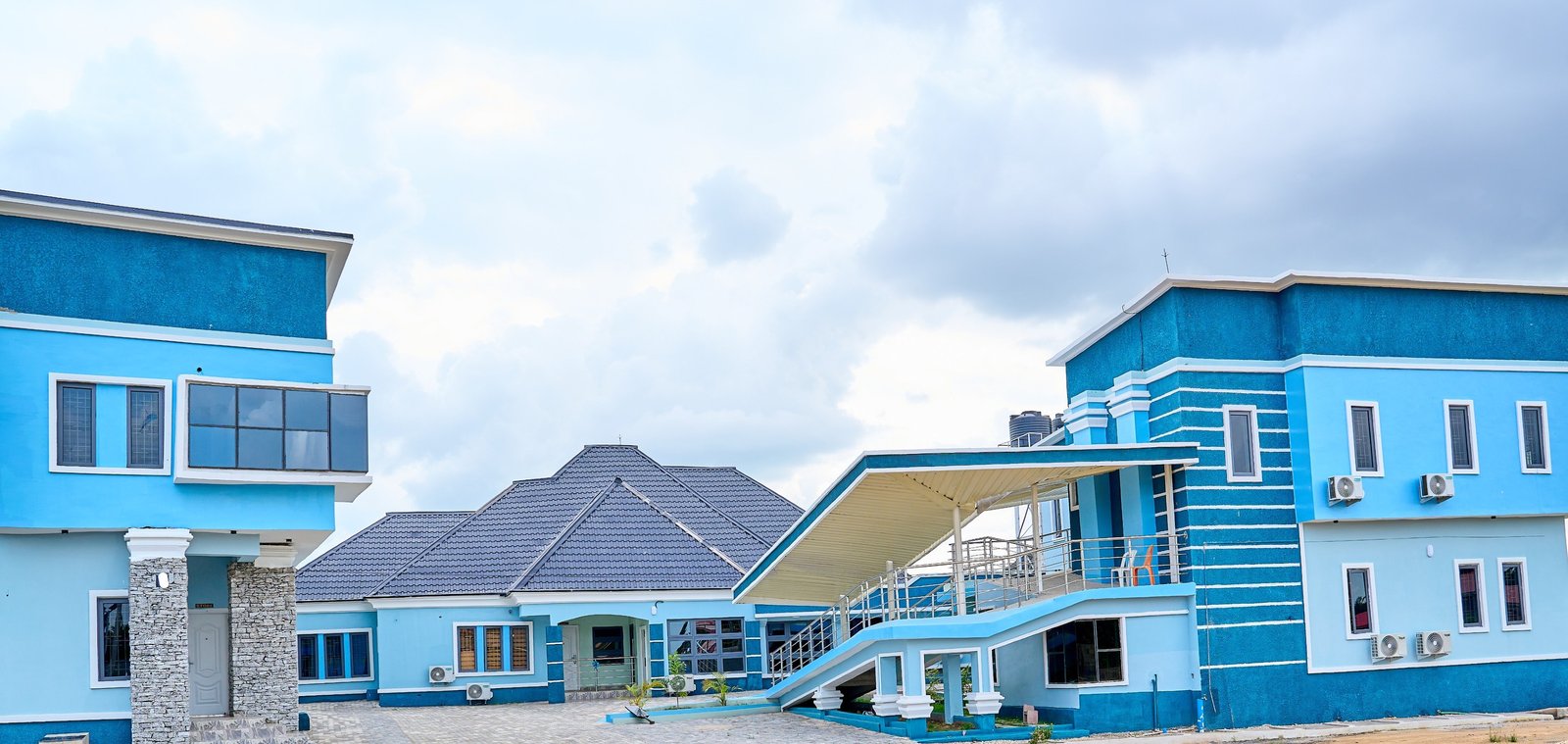
At RCN Mission Hospital, Makurdi, the priority was clear:
Save her life.
When every minute mattered
The medical team moved urgently to provide the emergency care she required. The diagnosis meant that definitive treatment could not wait. She needed emergency surgery.
For her husband, the moment must have carried an enormous weight: his wife critically ill, emergency surgery required, and the family already living with the socioeconomic realities of displacement.
But at RCN Medical Missions, humanitarian healthcare means that poverty or displacement should never become a death sentence when we have the capacity to intervene.
The required emergency operation was performed.
And it was provided 100% free of charge.
No surgical bill.
No demand for payment before life-saving treatment.
No financial condition placed between this woman and the emergency care she desperately needed.
She received the surgery—and her life was saved.
More than free surgery
This was not simply another operation.
It was a reminder of why humanitarian healthcare matters.
Behind the phrase “internally displaced person” is a human being: a wife, a husband, a family, a future. Displacement may take away a home, livelihood and security, but it should never take away a person's dignity or right to compassionate care.
For this couple, an obstetric emergency could have become another tragedy added to the losses they had already endured.
Instead, help was available when it mattered most.
A theatre was available.
A medical team responded.
The barrier of cost was removed.
And a woman who stood dangerously close to death was given another chance at life.
This is why we go beyond the hospital walls
RCN Medical Missions has continued to serve displaced and vulnerable populations through free and subsidised healthcare, maternal services, community outreaches, feeding interventions and other humanitarian programmes. Our wider impact includes 343 pregnant women served and 2,510 persons/IDPs fed, alongside thousands reached through clinical and community programmes.
But statistics become meaningful when we remember that every number has a name, a family and a story.
Last week, that story was the story of one displaced woman.
One emergency.
One operation.
One life saved.
And one husband who did not have to lose his wife because they could not afford emergency surgery.
This is the heartbeat of RCN Mission Hospital and RCN Medical Missions:
Holistic Care: Spirit, Soul and Body.
We remain committed to taking compassionate healthcare to those who need it most—especially those for whom poverty, displacement or circumstance has made access to healthcare difficult.
And as our work grows, so does the need for partners who can help us strengthen emergency transportation, surgical capacity, maternal healthcare, medical equipment, medicines and humanitarian outreach.
Because somewhere, another patient may already be standing at that same precipice.
And when that moment comes, help must be ready.
Found this report helpful?
Share it with others who might be interested in our mission work.